Understanding Stress and Anxiety: How to Cope and Heal
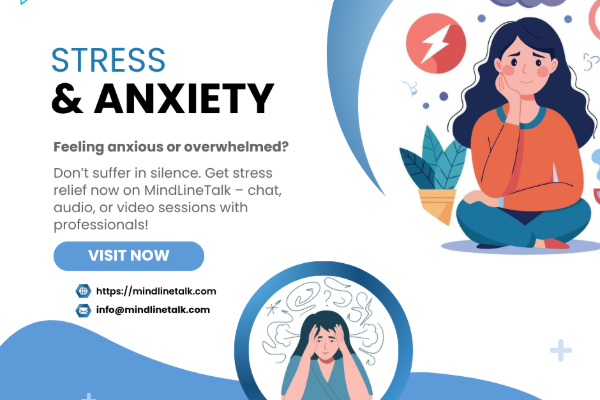
Need Guidance On Your Problems?
Consult With The Best Online Consultants


In today’s fast-paced world, it is almost impossible to avoid stress and anxiety entirely. Whether it’s work deadlines, financial pressure, relationship struggles, or even social expectations, we all face moments that challenge our mental health. But when stress becomes overwhelming and anxiety begins to interfere with daily life, it’s a sign that we need to pause and take care of ourselves.
At MindLineTalk, we believe that mental wellness starts with awareness and is strengthened by support. Let’s take a deeper look into stress and anxiety — what they are, why they happen, and how you can manage them.
What is Stress?
Stress is your body’s natural response to pressure. It is often triggered when you feel threatened or under too much demand. In small doses, stress can motivate you to meet challenges. But when it persists, it can take a toll on your mind and body.
Common symptoms of stress include:
- Headaches and fatigue
- Irritability or mood swings
- Difficulty concentrating
- Muscle tension or chest tightness
- Trouble sleeping
What is Anxiety?
Anxiety goes beyond everyday stress. It is characterized by persistent worry, fear, or unease about situations — even when there’s no immediate danger. Unlike stress, anxiety may linger even after the stressor is gone.
Common symptoms of anxiety include:
- Excessive worry or restlessness
- Rapid heartbeat or shortness of breath
- Sweating and trembling
- Trouble focusing or making decisions
- Avoiding situations that trigger worry
Healthy Ways to Cope with Stress and Anxiety
The good news is that stress and anxiety can be managed with the right tools and support. Here are some strategies that can help:
- Practice Deep Breathing and Relaxation
Simple breathing exercises or mindfulness meditation can calm your nervous system and reduce tension. - Stay Active
Regular physical activity releases endorphins — natural mood boosters that reduce stress and promote well-being. - Establish Healthy Routines
A consistent sleep schedule, balanced diet, and limiting caffeine or alcohol can significantly improve mental health. - Talk It Out
Sometimes, the best way to release pressure is to share your feelings with a trusted friend, family member, or counselor. - Seek Professional Help
If stress or anxiety interferes with daily functioning, speaking to a certified counselor or therapist can provide personalized guidance and healing.
Why MindLineTalk Can Help You
At MindLineTalk, we provide a safe, private, and accessible platform where you can connect with verified consultants and counselors anytime, anywhere. Whether through chat, audio, or video calls, you can receive professional support tailored to your needs.
We understand that seeking help can be overwhelming, but remember — you don’t have to face stress and anxiety alone. A small step today can lead to a healthier, happier tomorrow.
✅ Takeaway: Stress and anxiety are natural parts of life, but they don’t have to control your life. With the right support and coping strategies, you can build resilience, restore balance, and improve your overall well-being.